As hurricane season begins to ramp up, be sure to take a moment to review THRIVE's top hurricane safety tips to keep your pet safe. Traditionally, hurricane season in the Atlantic Basin (the Atlantic Ocean, the Caribbean Sea, and the Gulf of Mexico) occurs from June 1 to November 30, peaking in late August through September. The
2020 season is seeing a ramp up, as both Hurricane Marco and Hurricane Laura recently formed in the Gulf of Mexico. Whether you stay in place or plan to evacuate, stocking up on supplies and being prepared can ease the stress of hurricane season for you and your pet!
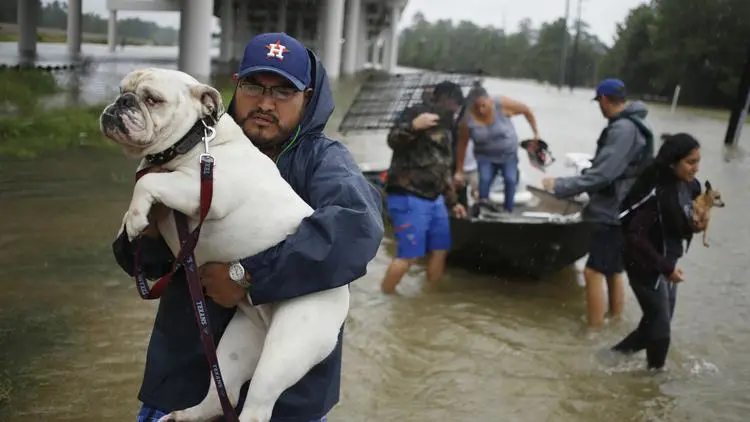
Preparing for Hurricane Season
If you live in a hurricane-prone region, be sure you have an emergency bag prepared with pet supplies for a least five to seven days in case of evacuation. Below is a checklist to prepare your pet's emergency bag:
Pet food dishes and bowls
Travel crate
Waterproof container with a two-week supply of any prescription medication
Seven days worth of water
Five to Seven days worth of nonperishable pet food
Phone number for your local veterinarian, along with three more vets outside your evacuation zones
Collars with attached ID tags, including up to date contact information
Recent photos of your pet
Pet calming aids and comfort items, including blankets, treats, toys and their bed
Pet-safe cleaning and bathroom supplies, including potty pads, cat litter and paper towels
Top Hurricane Safety Tips During a Storm
Do not assume your pet can and will swim
Most pets were not bred to be swimmers. We assume because it is called the “doggy paddle” that all dogs can do it. This may not be the case. In order to keep your pet as safe as possible, please keep him or her inside or confined to a carrier if being transported.
Contaminated flood waters are not healthy for our pets to drink
These waters may carry parasites that can affect your pet’s gastrointestinal tract and cause diarrhea, vomiting and abdominal pain
Standing water is also more likely to be contaminated with certain bacteria like
Leptospirosis. This bacteria can be transmitted from dogs to humans!
Mosquito-borne illnesses rise after flooding
Flea and tick populations flourish during natural disasters
We recommend a thorough examination to look for external parasites like
fleas and ticks. If your pet is not already on a preventative, our veterinarians can recommend the best option for your family and your pet. Prevention can and should be started right away.
Gastrointestinal issues arise from change in routine, diet and stress
Your pet is very sensitive to changes in his or her daily routine (for example, not being outside as often as usual, not having access to normal pet food or not having normal interactions with their human or pet family members). Many pets may not even have access to fresh water or food or may have been transported to shelters or different houses. All of these changes can cause stress in our pets, too.
We continue to encourage feeding your pet his/her normal diet if you can. If not, food made especially for pets is the next best choice. We discourage the feeding of human food, and it is important to ensure your pets don’t encounter any human foods that are toxic to them, such as chocolate/coffee, onions/garlic, raisins/grapes, macadamia nuts and sugar-free gum.
Wounds can develop and become infected by the dirty water
Since hurricanes cause movement of water and debris, your pets may develop wounds on their paws and legs from walking in flood waters and other areas affected by the hurricane.
We advise keeping your pet inside and out of flood waters as much as you can.
Excess moisture predisposes your pet to skin disease
As you’ve probably noticed before, our pets’ coats don’t dry as quickly as our own hair. The chronic moisture that comes with rain and flood waters can predispose them to a moist dermatitis, or inflammation of the skin, so keep them dry at all times, if possible.
Dehydration results from a lack of fresh water
Just like people, our pets need fresh water to survive, so continue to offer your pet his or her normal water amount daily to ensure normal hydration.
If you are concerned your pet may not have received enough water during the disaster, we recommend a veterinarian evaluation to check your pet’s hydration status.
Disasters attract wildlife into places they wouldn’t normally inhabit
Due to flood waters and other environmental changes, wildlife like snakes and insects (including fire ants) will be moving from their natural habitats. Consequently, there may be an increased risk of your pet encountering this type of wildlife post-hurricane, so please keep your pets inside and keep a close eye on them during the recovery efforts.
Hurricanes, destruction and change make our pets anxious and stressed, too!