Have you been following the feeding guidelines on your pet’s food, providing plenty of exercise, and yet your dog or cat is still overweight? One potential culprit to this problem could be the additional treats given to your pet – particularly human food treats.
Our animals have much lower calorie intake needs than we do as humans, meaning what may seem like a small snack to us can actually equate to a whole meal worth of calories for your pet!
Similar to humans, the calories your pet needs each day is very unique to each individual. Depending on the size, age, activity level, and other health needs of your pet, their food intake will need to be personally tailored to help them maintain an ideal weight.
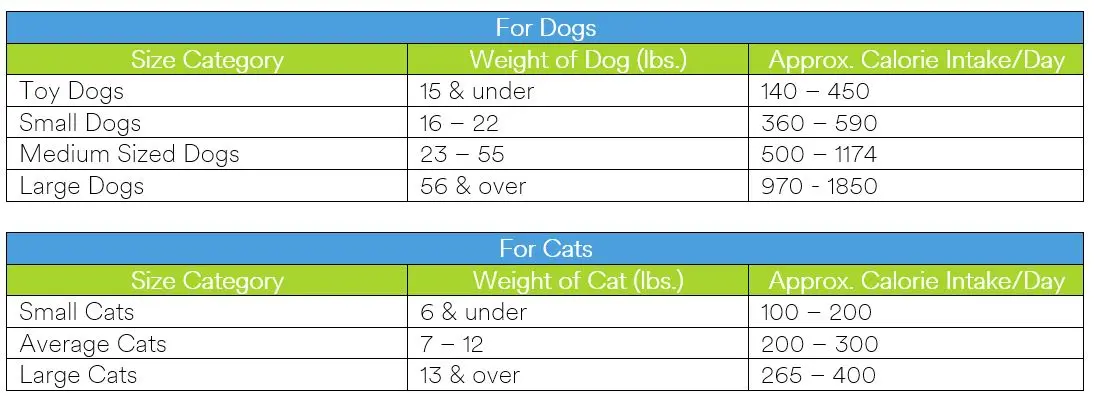
The World Small Animal Association produced a more in-depth breakdown of approximate caloric needs which is available for
dogs here and for
cats here.
The Caloric Impact Of Human Foods On Your Pet
Now we know approximately how many calories your pet should be having each day, let’s consider the impact some of our tasty human treats can have on your pet’s calorie intake.
Here we have represented the impact of each treat on our pet's daily calorie consumption by equating it to having cupcakes for our own snacks.
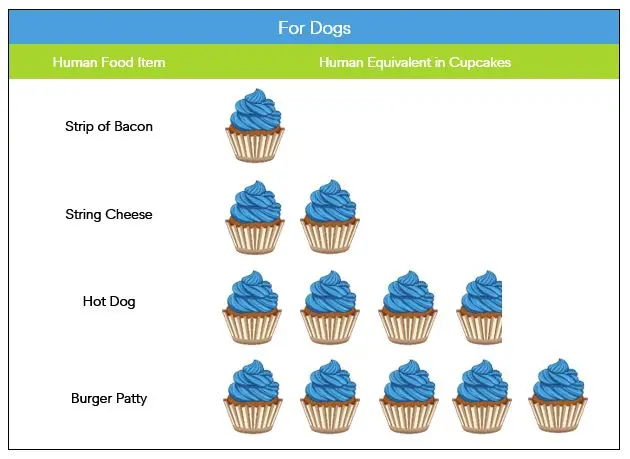
Based on the calorie needs of an average, healthy medium-sized dog (550kcal/day), an average adult woman (1800kcal/day), and a regular cupcake used for caloric representation (130kcal)

Based on the calorie needs of an average, healthy average-sized cat (350kcal/day), an average adult woman (1800kcal/day), and a regular cupcake used for caloric representation (130kcal)
As you can see, what may appear to be a harmless human treat, can actually provide a considerable portion of your pet’s daily caloric needs -- Just 1 cup of whole milk given to your cat as a snack is like us eating 5¾ cupcakes in one sitting!
If we as humans eat a few cupcakes in one day on occasion, it is not going to have a large impact on our overall health. However, when consumed in those quantities regularly, in addition to our regular meals, weight gain is very likely.
The same is true for our pets. A burger patty given to your pet for a special meal on their Gotcha Day is not going to be very harmful – but used daily as a training aid or treat could lead to sizable weight gain.
We all like to spoil our pets with their favorite foods, but it is important to keep in mind the long-term impacts that your human food could have on your dog or cat. Consider the following tips when choosing and giving treats to your pet:
Talk to your veterinarian about your pet’s daily recommended calorie consumption and note it down somewhere visible to all household members.
Choose packaged pet treats that are in-line with your pet’s caloric needs (e.g., smaller, less active pets should be given small, lower calorie treats)
If you want to use human food for dog or cat treats, opt for low calorie, high fiber human foods like apples, carrots, or a spoon of pumpkin puree.
For puppies or kittens requiring multiple treats for training purposes, opt for diet-friendly options (like training treats) or break larger treats into smaller portions.
Consider smaller portions of their favorite human food treats – only give your dog ½ a hot dog or a splash of milk for your cat.
On special occasions when high calorie treats are given, increase your pet’s activity levels – take an extra-long walk with your dog or use a flirt pole with your cat to encourage more rigorous playtime.
Ensure you are staying up to date on your pet’s regular
wellness checks. Routine vet visits allow consistent weight checks so that any changes can be monitored by your pet’s care team. Your veterinarian will be able to provide their professional advice on helping manage your pet’s weight based on their unique needs and health requirements.
*The information provided in this article is based on the average needs of healthy pets; please consult your veterinarian for a more accurate assessment of your pet’s unique needs before making any large nutritional changes to your pet’s diet